

Innovative Smart Living Spaces Redefining Corporate Accommodation
Smart living spaces are transforming how companies provide accommodation for their employees. As businesses expand and remote work becomes more common, the demand for flexible, comfortable, and tech-enabled housing solutions grows. These spaces go beyond traditional lodging by integrating technology, sustainability, and design to create environments that support productivity and well-being.
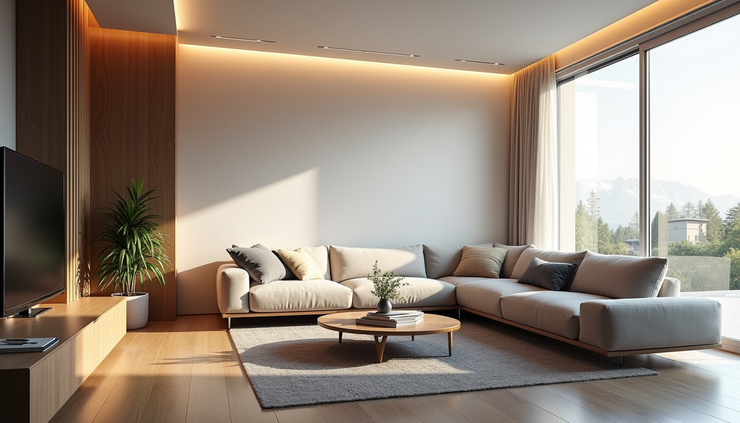
How Smart Living Spaces Meet Modern Needs
Corporate accommodation has long focused on convenience and cost-efficiency. Today, companies seek living environments that also enhance employee experience and health. Smart living spaces respond to this by offering:
Automated climate control that adjusts temperature and air quality for comfort and energy savings.
Smart lighting systems that mimic natural light patterns to support circadian rhythms.
Voice-activated assistants to control appliances, lighting, and security.
High-speed internet and seamless connectivity for remote work and communication.
Modular furniture and flexible layouts that adapt to different needs, from relaxation to work.
These features help employees feel more at home, reduce stress, and maintain productivity during extended stays.
Examples of Smart Living Features in Corporate Housing
Several companies and property developers have introduced smart living spaces tailored for corporate use. Some notable examples include:
IoT-enabled apartments where sensors monitor energy use and occupancy, adjusting systems automatically.
Smart kitchens with connected appliances that allow meal planning and cooking assistance.
Health-focused amenities such as air purifiers, circadian lighting, and ergonomic furniture.
Mobile apps that let residents control their environment remotely and access building services.
For instance, a tech firm in San Francisco offers employees smart apartments equipped with voice-controlled lighting and temperature, plus an app to book shared workspaces and fitness areas. This integration supports a balanced lifestyle and smooth transition between work and rest.
Benefits for Companies and Employees
Smart living spaces offer clear advantages for both employers and their teams:
Improved employee satisfaction through comfortable, personalized environments.
Increased productivity by reducing distractions and creating spaces conducive to focus.
Cost savings from energy-efficient systems and reduced maintenance needs.
Enhanced safety and security with smart locks, cameras, and emergency alerts.
Flexibility to accommodate different lengths of stay and changing workforce needs.
Companies that invest in these spaces often see better retention rates and stronger employee engagement, especially for those on long-term assignments or frequent travel.
Designing Smart Living Spaces for the Future
Creating effective smart living spaces requires thoughtful design that balances technology with human needs. Key considerations include:
User-friendly interfaces that anyone can operate without frustration.
Privacy and data security to protect residents’ information.
Sustainability through energy-efficient appliances and materials.
Community spaces that encourage social interaction and collaboration.
Adaptability to support different lifestyles and work styles.
Designers often collaborate with technology experts and end-users to ensure the spaces meet real-world demands. For example, incorporating adjustable lighting and noise control helps accommodate both early risers and night owls.
Challenges and Considerations
While smart living spaces offer many benefits, some challenges remain:
Initial investment costs can be high, requiring careful budgeting.
Technology integration must be seamless to avoid frustration.
Maintenance and updates need ongoing attention to keep systems running smoothly.
User training may be necessary to maximize the advantages of smart features.
Companies should weigh these factors against the long-term gains in employee well-being and operational efficiency.
The Role of Sustainability in Smart Living
Sustainability is a growing priority in corporate accommodation. Smart living spaces contribute by:
Reducing energy consumption with automated systems.
Using eco-friendly materials and appliances.
Encouraging recycling and waste reduction through smart waste management.
Supporting green transportation options like bike storage and electric vehicle charging.
These efforts align with corporate social responsibility goals and appeal to environmentally conscious employees.
Looking Ahead: The Future of Corporate Accommodation
Smart living spaces will continue evolving as technology advances and workforce needs change. Future trends may include:
Greater integration of artificial intelligence to anticipate resident preferences.
Enhanced virtual reality features for remote socializing and work.
More personalized health monitoring and wellness programs.
Expansion of smart community hubs that blend living, working, and leisure.
Companies that embrace these innovations will create attractive, supportive environments that help employees thrive.
Comments